

INTERVENTIONAL RADIOLOGY CHRISTCHURCH

Persistent pain. A lump that needs investigation. A joint that may need a targeted injection. These are common reasons patients are referred for interventional radiology at Reform Radiology.
Patients come to our Christchurch clinic for CT and ultrasound guided procedures such as spinal injections, joint injections, biopsies and aspirations. Many are referred from Canterbury and other parts of the South Island when their treatment needs imaging support and an interventional radiologist’s input.
What Does An Interventional Radiologist Do?
A diagnostic radiologist helps answer, “What does the scan show?”
An interventional radiologist helps when a procedure needs imaging guidance. CT or ultrasound may be used for an injection, biopsy or aspiration, so the radiology specialist doctor can see the target area while the needle is being guided.
Patients searching for a radiologist often need more than a scan report. For image guided procedures, they need a specialist team that can review the imaging, understand the clinical question and plan the safest approach.
CT Guided Injections, Ultrasound Guided Injections And Biopsies
CT guidance is often used for deeper targets and spinal procedures, where cross sectional imaging helps define the safest path to the area being treated.
Ultrasound guidance is commonly used for soft tissue interventional radiology procedures, including joint, tendon and bursal injections, cyst aspirations and superficial biopsies. It shows the needle and target area in real time and avoids ionising radiation.
The imaging method is selected for each procedure. The decision depends on the body area, your symptoms, previous imaging, the referral question and your medical history.
Procedures Available
Reform Radiology performs a range of image guided procedures using CT or ultrasound.
Image Guided Procedures
-
Facet joints are small joints at the back of the spine. They can become painful when affected by arthritis or inflammation.
A facet joint injection places anti-inflammatory medication into or near the affected joint under CT guidance. The aim is to reduce inflammation and improve pain for a period of time.
-
Epidural injections are used for some types of spinal pain, including sciatica and spinal canal stenosis.
The medication goes into the epidural space, near the spinal nerves. CT is used during the procedure so the radiologist can see the anatomy and guide the needle.
-
A nerve root injection is for pain linked to a spinal nerve.
This may include sciatica, radiculopathy, pins and needles, numbness, or pain into an arm or leg. Anti-inflammatory medication is placed around the nerve root.
-
Hydrodilatation is a treatment for some cases of frozen shoulder.
A mixture of local anaesthetic, anti-inflammatory medication and sterile saline is injected into the shoulder joint. The aim is to stretch the joint capsule and help with movement.
-
Facet joint pain is not always obvious from symptoms or scans alone.
A medial branch block helps test this. Local anaesthetic is placed near the medial branch nerves, which are the small nerves linked with facet joint pain. If you get relief afterwards, the result can help guide further treatment.
-
Radiofrequency ablation, often called RFA, is used for selected patients with longer lasting spine related pain.
The procedure uses radiofrequency energy to heat targeted nerves, reducing their ability to send pain signals. It is commonly used after a successful medial branch block. Pain relief can last for several months and, for some patients, longer.
-
A joint injection may be requested when a joint is painful, swollen or inflamed.
The radiologist uses ultrasound to see the joint during the procedure and guide the needle. Medication may then be placed into the joint to help with pain and swelling.
-
Bursal injections are commonly performed around the hip and shoulder.
Ultrasound is used during the injection so the radiologist can see the bursa and place the medication accurately.
-
Platelet rich plasma, or PRP, uses a sample of your own blood. The blood is processed to concentrate platelets, then injected into the affected area under imaging guidance.
PRP may be used for selected tendon injuries, osteoarthritis or chronic joint pain. Your referrer and radiologist will advise whether PRP is suitable for your condition.
-
Cysts are fluid filled sacs. Ganglion and Baker cysts do not always need treatment.
When they become painful, swollen or difficult to move with, aspiration may be used to drain the fluid.
-
A tendon sheath injection may be used when the tissue around a tendon becomes inflamed.
Ultrasound is used to guide anti-inflammatory medication around the affected tendon sheath.
-
For some lumps or swellings, a fine needle aspiration may be used.
A thin needle collects a small cell sample from the area. The sample is tested in a laboratory.
-
A core biopsy is used to sample abnormal tissue seen on imaging.
The hollow needle takes a small piece of tissue, which gives the laboratory more to examine than an FNA sample. The result helps your referrer plan the next step in care.
Why Choose Reform Radiology?
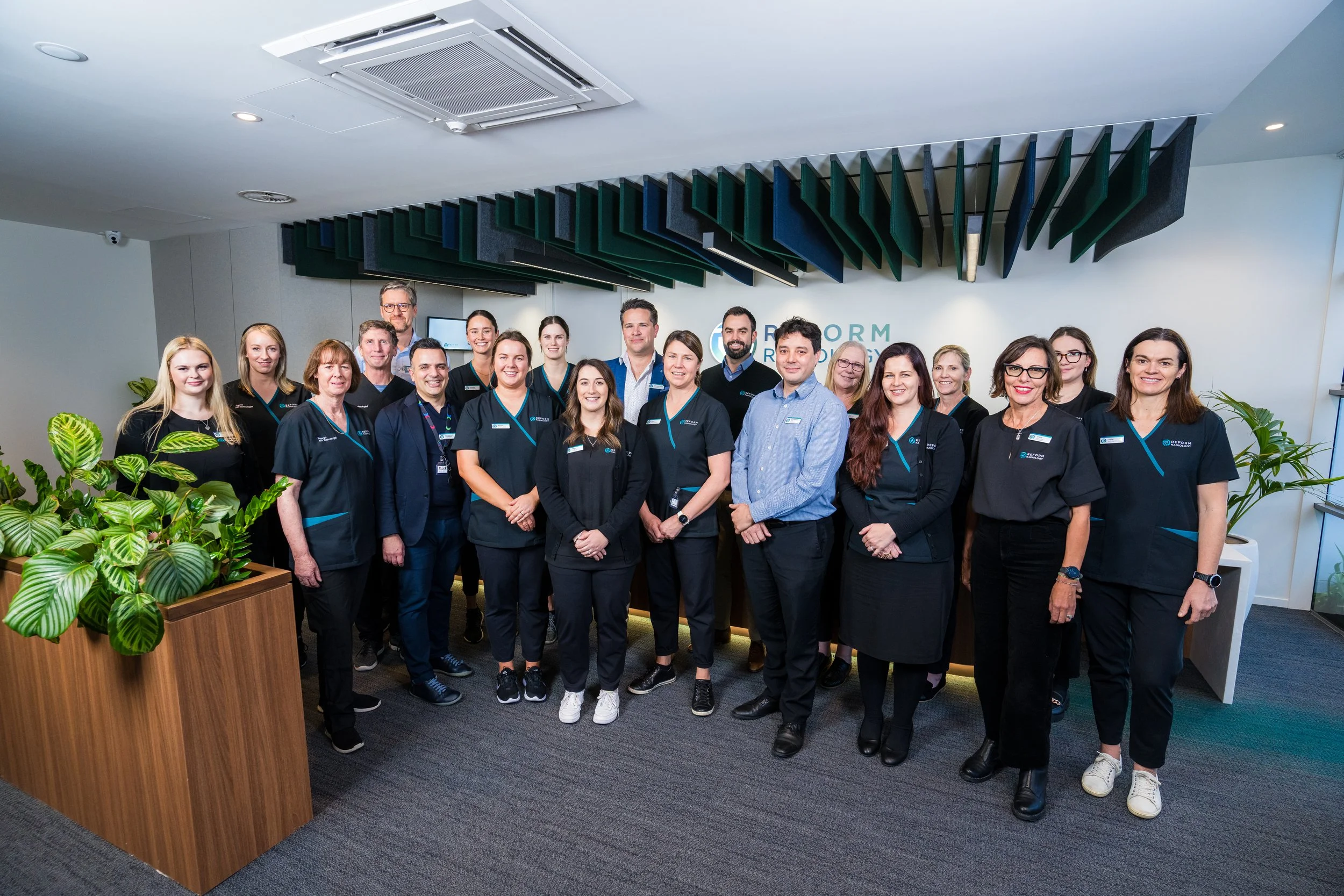
Reform Radiology was founded by Christchurch radiologists to improve access to high quality imaging and interventional services in the region.
At our Antigua Street clinic, CT, MRI, ultrasound, X-ray, cardiac imaging, musculoskeletal imaging and image guided procedures are available in one central location. That matters for patients and referrers. The team reviews your imaging and referral notes before you arrive, so the procedure can be planned around the area being treated.
Your appointment is supported by radiologists, medical imaging technologists and patient care coordinators. The focus is straightforward: accurate imaging, clear communication and safe procedural care.
Preparing For Your Appointment
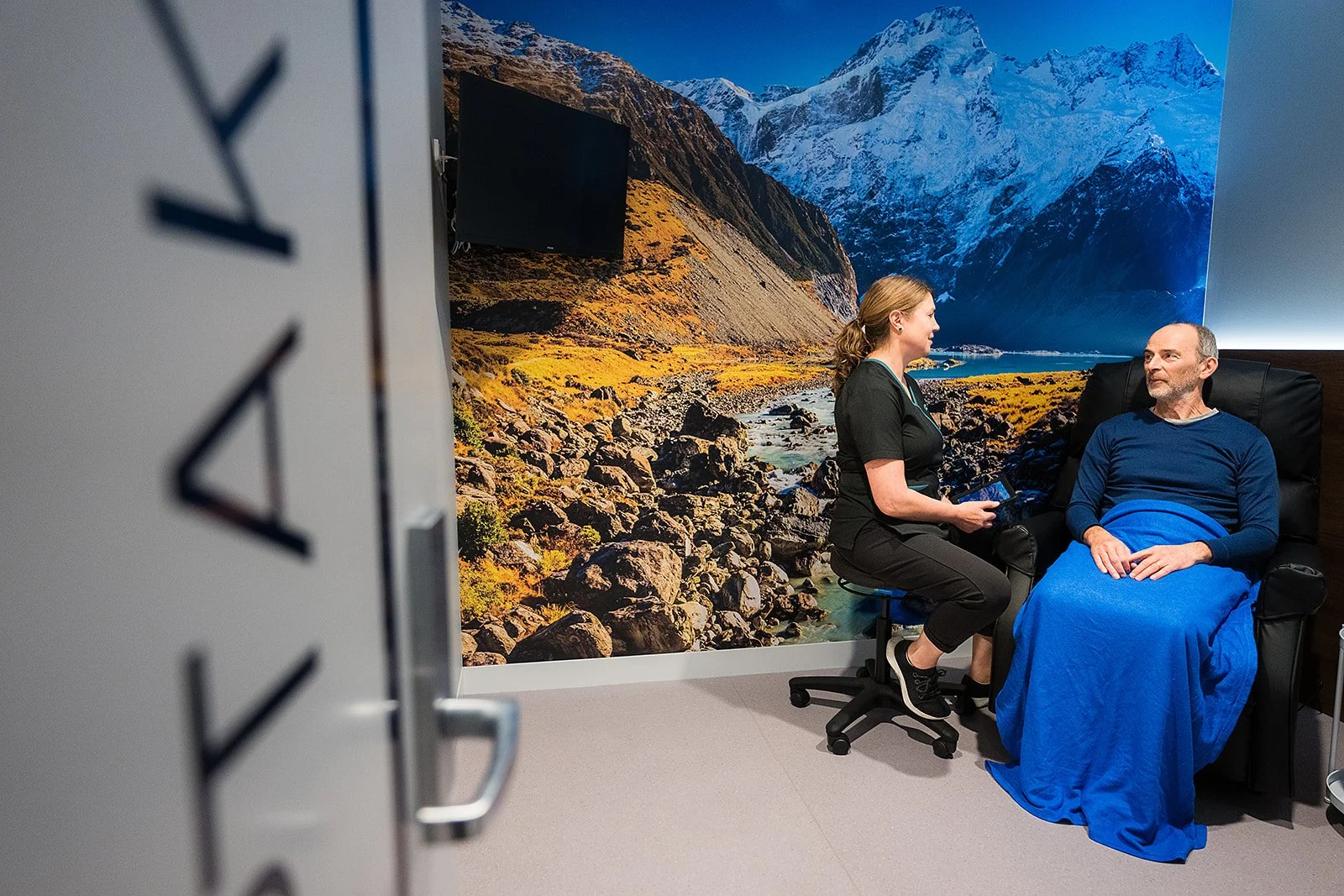
When booking, tell the team about anything that may affect the procedure. This includes blood thinning medication, diabetes, pregnancy, possible pregnancy, allergies, or any past reaction to contrast media, local anaesthetic or steroid medication.
If relevant imaging was performed outside New Zealand, please tell us before your appointment. We may not know those scans exist or be able to access them electronically. In most cases, imaging performed within New Zealand can be accessed by our team.
Wear comfortable, loose fitting clothing so the area being examined or treated can be accessed easily.
After Your Procedure
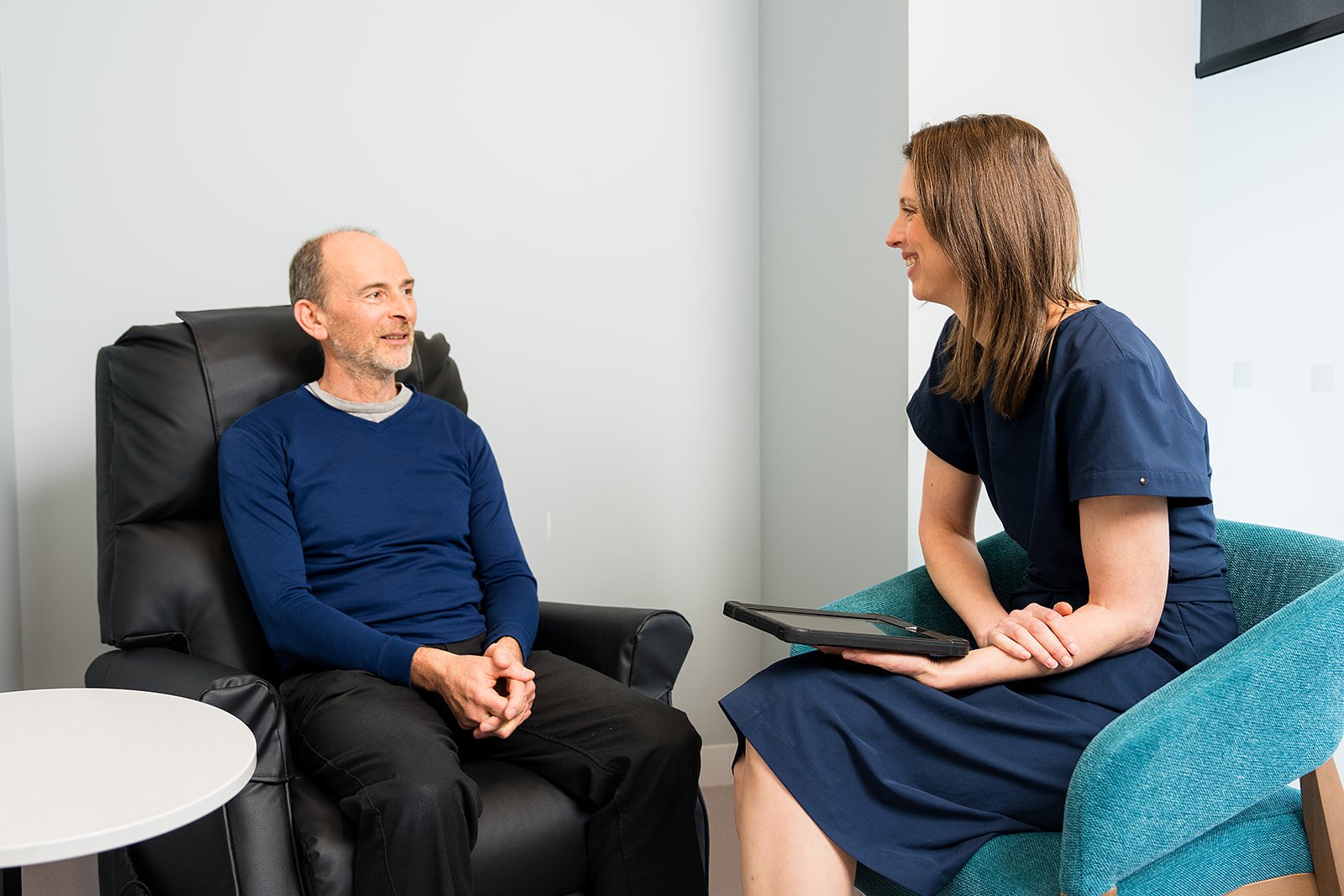
You will receive aftercare instructions before leaving. Some procedures can temporarily affect your ability to drive safely, so please consider your transport before attending.
If you have questions about driving, public transport or getting home after your appointment, contact the team before your procedure.
Results and procedure reports are sent to the clinician who referred you to Reform Radiology. If you have concerns after your procedure, contact our team or the healthcare professional who referred you.
Book An Interventional Radiology Appointment
Need an image guided procedure in Christchurch? Ask your healthcare professional to refer you to Reform Radiology for ultrasound guided injections, CT guided injections, biopsies, aspirations or therapeutic steroid injections.
After the referral is received, our team will help with booking and preparation details.
FAQs
-
For most procedures, we need a referral first.
Your GP, physio, specialist or nurse practitioner can send the request to Reform Radiology. For questions about cost, prep or booking, you can contact the clinic directly.
-
You may feel the local anaesthetic go in.
After that, the feeling is usually pressure or pushing. The radiologist uses CT or ultrasound to watch the needle and guide it to the planned area.
-
For many procedures, you can eat and drink normally. Some procedures require specific preparation. If any restrictions apply, the team will let you know before your appointment.
-
Some procedures may require alternative transport afterwards. If you are unsure whether you can drive after your appointment, contact the team before you attend.
-
A report is sent to the healthcare professional who referred you to Reform Radiology. They will discuss the findings and any next steps with you. If tissue samples are sent for laboratory testing, results may take several days and occasionally up to 14 days.
-
You will receive specific aftercare instructions before leaving. If you have questions or concerns after your procedure, contact Reform Radiology or the healthcare professional who referred you.

Book your procedure today
-
Instructions specific to your procedure will be provided to you.
Please inform staff at the time of booking if you are taking any blood thinners or are allergic to anything.
If you have any previous scans, please bring these along to your appointment.
Wear comfortable, loose clothing to allow for easy access for the procedure.
-
CT
Facet joint injection
A facet joint injection is a treatment that aims to stop pain stemming from an arthritic or inflamed facet joint. This is achieved by injecting cortisone to reduce the inflammation and can provide pain relief from 3-6 months.
Epidural Injection
Epidural injections are performed to treat back pain, sciatica, or spinal canal stenosis. The aim is to reduce the pain by injecting cortisone within the epidural space. This commonly is performed in the lumbar spine.Nerve root injection
Nerve root injections are commonly performed in patients who suffer from neurological symptoms such as radiculopathy or sciatica, pins and needles or numbness down the arms and legs. A cortisone injection helps reduce the inflammation in the nerve root and will often reduce the pain.Hydrodilation Injection
A hydrodilatation injection is commonly performed in patients with adhesive capsulitis also known as frozen shoulder. This is done by injecting a combination of local anaesthetic, cortisone and saline solution into the glenohumeral joint. The aim of this is to improve range of movement and reduce overall pain.Medial Branch Block
A medial branch block is a procedure used to diagnose and treat pain originating from the facet joints in the spine. It involves injecting a local anaesthetic, sometimes combined with a corticosteroid, near the medial branch nerves that supply the facet joints. This can help identify the source of pain and provide temporary relief, often lasting weeks to months.Radiofrequency Ablation
Radiofrequency ablation (RFA) is a minimally invasive procedure that uses heat generated by radiofrequency waves to disrupt nerve function, preventing pain signals from reaching the brain. It is commonly used for chronic pain conditions, such as arthritis of the spine, by targeting nerves like the medial branch nerves. Pain relief from RFA can last from 6 months to over a year.Ultrasound
Joint injections
A joint injection is commonly performed in patients with inflammation of the joint, such as synovitis. By injecting local anaesthetic followed by cortisone can provide pain relief and reduce the overall inflammation of the joint. This is commonly conducted in the hip, knee and shoulder joint.Bursal Injections
A bursal injection is conducted by injecting local anaesthetic followed by cortisone into the bursa space to reduce inflammation and provide relief for bursitis. This is most often done in the trochanteric bursa of the hip and the subacromial bursa of the shoulder but can also be performed in the bursa of the elbow and knee.Plasma-Rich Protein (PRP) Injections
Plasma-rich protein (PRP) injections involve using a patient’s own blood, which is processed to concentrate the platelets and growth factors, and then injected into the affected area. Thais procedure is used to promote healing and reduce pain in conditions such as tendon injuries, osteoarthritis, or chronic joint pain.Ganglion and Baker cyst aspiration
Cysts are a collection of fluid. A ganglion cyst is a swelling seen over tendons and joints and a Baker’s cyst, also known as a popliteal cyst, is found behind the knee. Sometimes the cysts can become enlarged or painful. An aspiration procedure is done to remove fluid from these cysts.Tendon sheath injections
A tendon sheath is a strong fibrous tissue that connects muscle to bone and when the muscle contracts, the sheath helps to bend the joint. In some conditions, the tendon sheath can become swollen and painful. A tendon sheath injection involves injecting steroid medication into the area to help relieve the pain and swelling and improve the range of movement of the joint.Fine Needle Aspiration (FNA)
A fine needle aspiration is a type of biopsy in which a small needle is used to collect a sample of tissue from an area of concern. The tissue is then sent to the laboratory for further testing. FNAs are most often done on swellings or lumps under the skin and they are helpful in diagnosing what the underlying tissue contains, and in particular, to rule out cancer.Core biopsy
A core biopsy involves using a hollow needle to collect a sample of tissue from an area of concerns. It is more invasive than an FNA as the needle is larger. The tissue sample is then sent to the laboratory for examination by a specialist. Core biopsies are helpful in diagnosing suspicious lumps and bumps and to rule out cancer. -
You will be provided with post-procedural care instructions.
If you have had a joint injection performed, you MUST have a driver following the procedure.
Your results will go directly to the provider who sent you here, so check with them in 7 days.
If you have any other concerns regarding your procedure, please call Reform Radiology 03 962 5700.