
COMPUTED TOMOGRAPHY
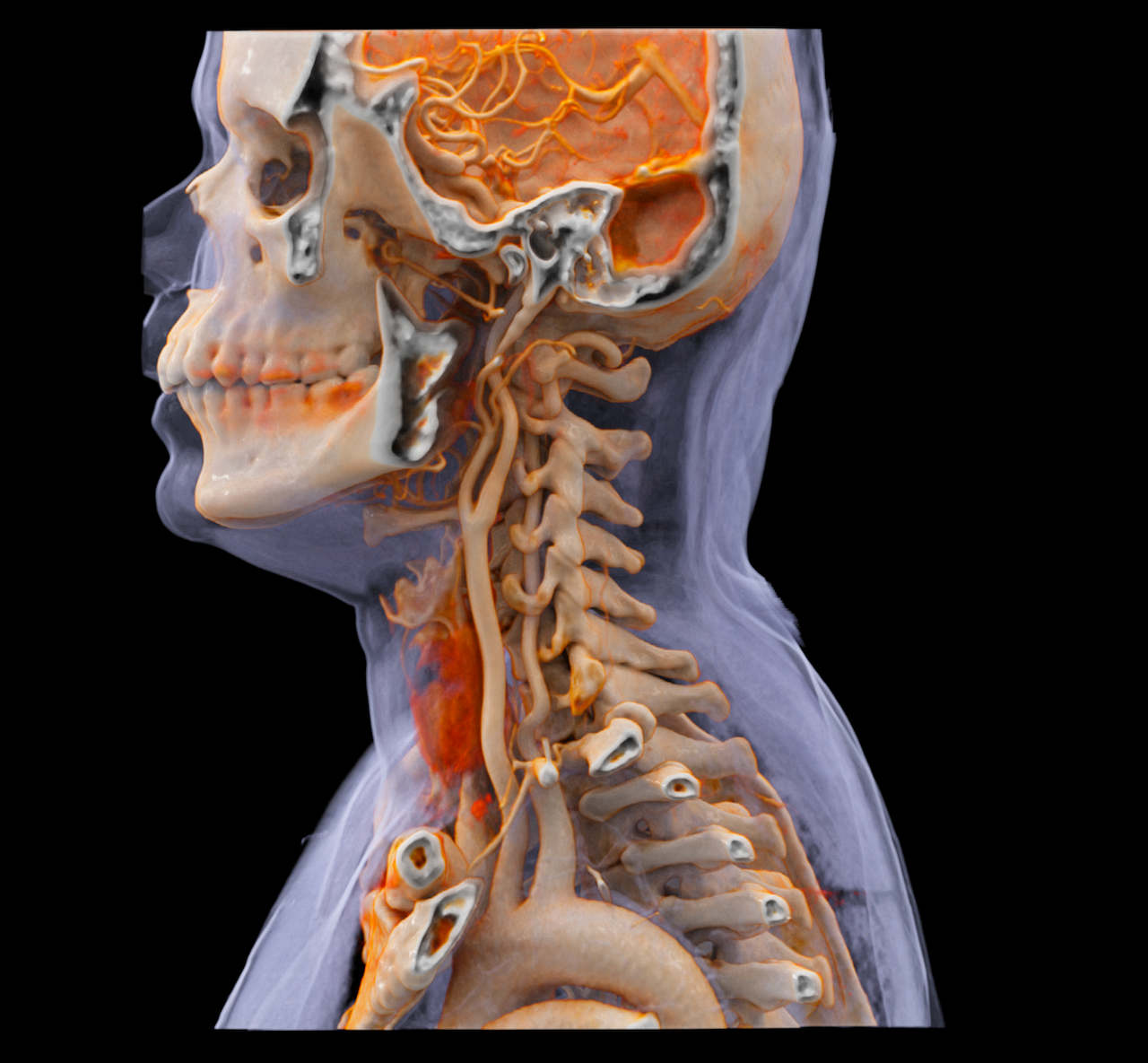
Computed Tomography, also known as CT scan, is a medical imaging procedure that uses a combination of X-rays and computer technology to create detailed cross-sectional images of the body. These images provide valuable information for diagnosing and monitoring various medical conditions.
What it entails:
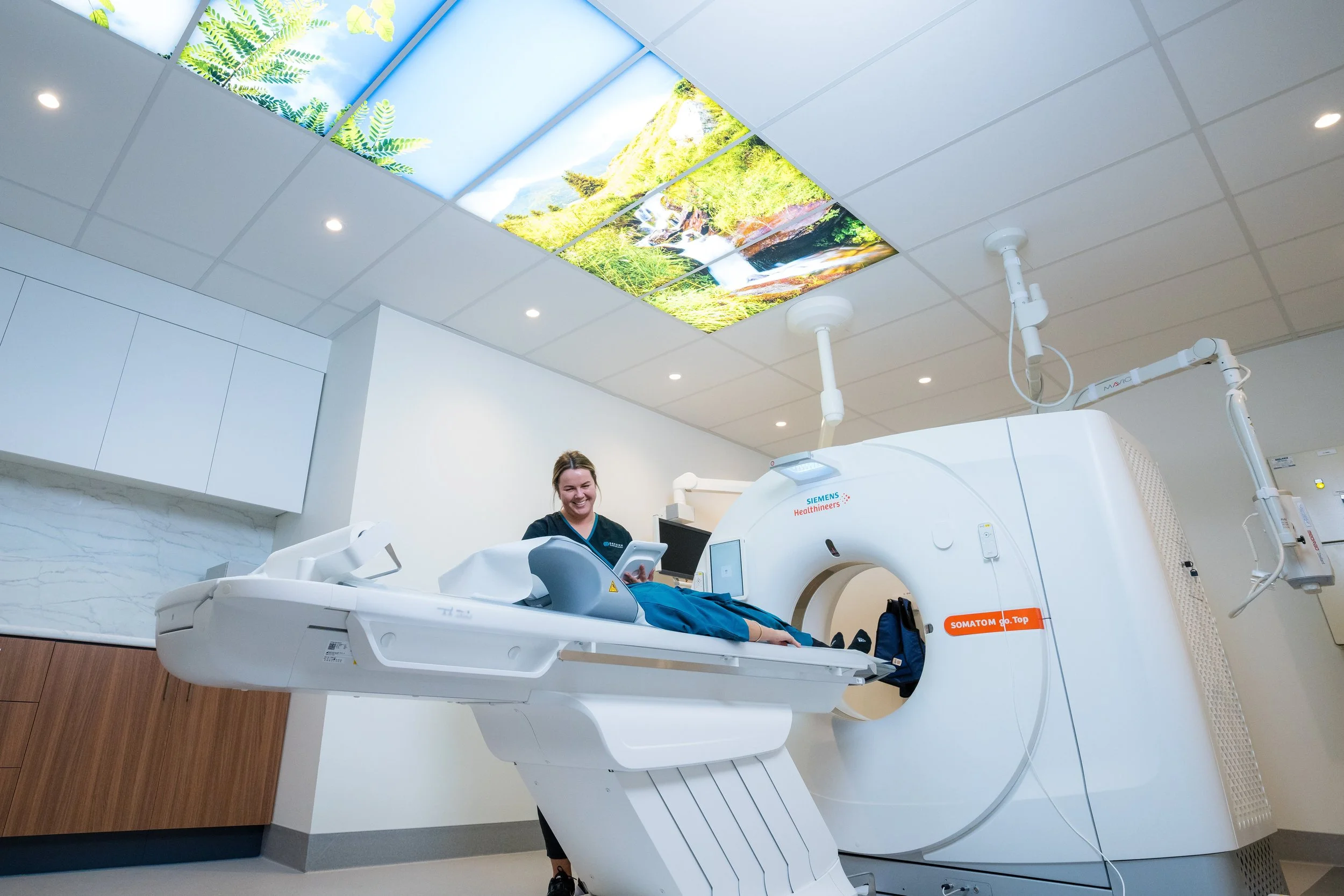
During a CT scan, the patient lies on a table that moves through a donut-shaped machine called a CT scanner. The scanner emits X-ray beams from different angles around the body, and specialised detectors measure the amount of radiation that passes through the body. The data is then processed by a computer to generate detailed images.
Benefits of X-ray:
Detailed images: CT scans provide high-resolution, cross-sectional images that allow healthcare professionals to visualise internal structures, organs, and tissues more clearly than conventional X-rays.
Diagnosing and monitoring: CT scans are valuable in diagnosing and evaluating various conditions, including tumours, fractures, infections, cardiovascular diseases, lung disorders, and abdominal issues.
Treatment planning: CT scans help guide treatment plans for surgeries, radiation therapy, and other interventions by providing precise anatomical information.
Minimally invasive procedures: CT imaging can be combined with certain procedures, such as CT-guided biopsies or steroid injections, to accurately target the affected area.

Book a CT Scan today
-
Wear comfortable clothing to your exam. You may be asked to change into a gown for the procedure.
Metal objects such as jewellery, eyeglasses, dentures or hairpins, piercings, as well metal underwires of bras may affect CT images. You can either leave them at home or remove them before the examination.
Some examinations will require specific preparations, we will inform you of this at the time of booking. Please continue to take all your medication unless instructed otherwise.
Let your doctor and our team know if you have any known allergies. Other questions we will ask will be related to heart disease, asthma, kidney disease or thyroid conditions.
Inform your healthcare provider and our team about any medications you are taking.
It's essential to follow any specific instructions provided by your healthcare provider or our team regarding preparation for the CT scan. If you have any concerns or questions about the procedure, don't hesitate to discuss them with us or your healthcare provider.
-
The technologist begins by positioning you on the CT exam table, usually lying flat on your back. The Technologist explains the procedure and answers any questions you may have regarding the procedure prior to starting.
The exam may require IV contrast depending on the type of exam. Contrast shows up on the CT Images and assists with the image interpretation, providing more information so the Radiologist can make an accurate diagnosis.
During the scan, the table will move in and out several times as the images are acquired. We will often give you instructions to follow, like breathing in and holding your breath.
Radiation exposure
CT scans involve exposure to ionising radiation, which carries a small risk of potential harm. However, the benefits of CT imaging often outweigh the potential risks, especially when it helps in diagnosing or monitoring a serious medical condition. The amount of radiation exposure during a CT scan is typically low and varies depending on the type of exam and body part being scanned.
-
If you have been injected with contrast, we will ask you to stay with us for further 10 minutes to ensure your safety. We will then remove your IV line.
Please let our team know in the unlikely event that you experience any unusual symptoms during or after the examination.
Our team of Radiologists will then look at your images in detail and produce a report that will be sent out to your healthcare provider as soon as possible.