
MUSCULOSKELETAL
IMAGING
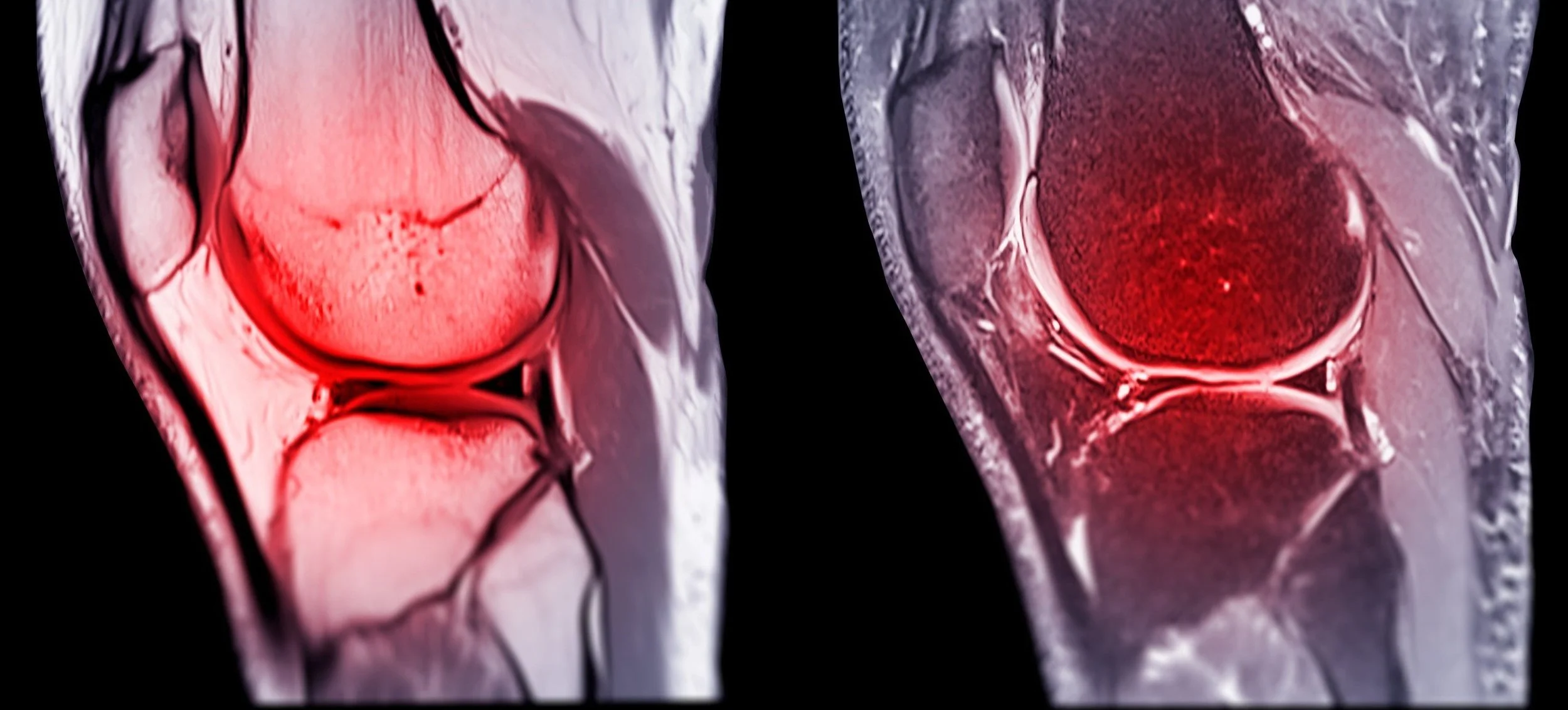
Musculoskeletal Imaging is a subspeciality of Radiology that looks at Joints, Muscles, Nerves and Bones. It encompasses Sports Imaging and Imaging of Degenerative changes in the body.
Sports imaging is an area of radiology which caters for athletes of all shapes and sizes, ranging from competitors, recreational runners, and people who simply wish to improve their general fitness. Sports Imaging focuses on Musculoskeletal Imaging and interventional techniques.
Sporting injuries are generally divided into two main groups:
- Those which are due to repetitive action or overuse, such as tendinosis, arthritis and stress fractures
- Those which are traumatic, such as a shoulder dislocation, or fracture
Besides sports injuries, musculoskeletal imaging encompasses the examination of degenerative wear and tear changes in joints, tendons, muscles and bones.
We also have a focus on nerve injury and nerve entrapment.
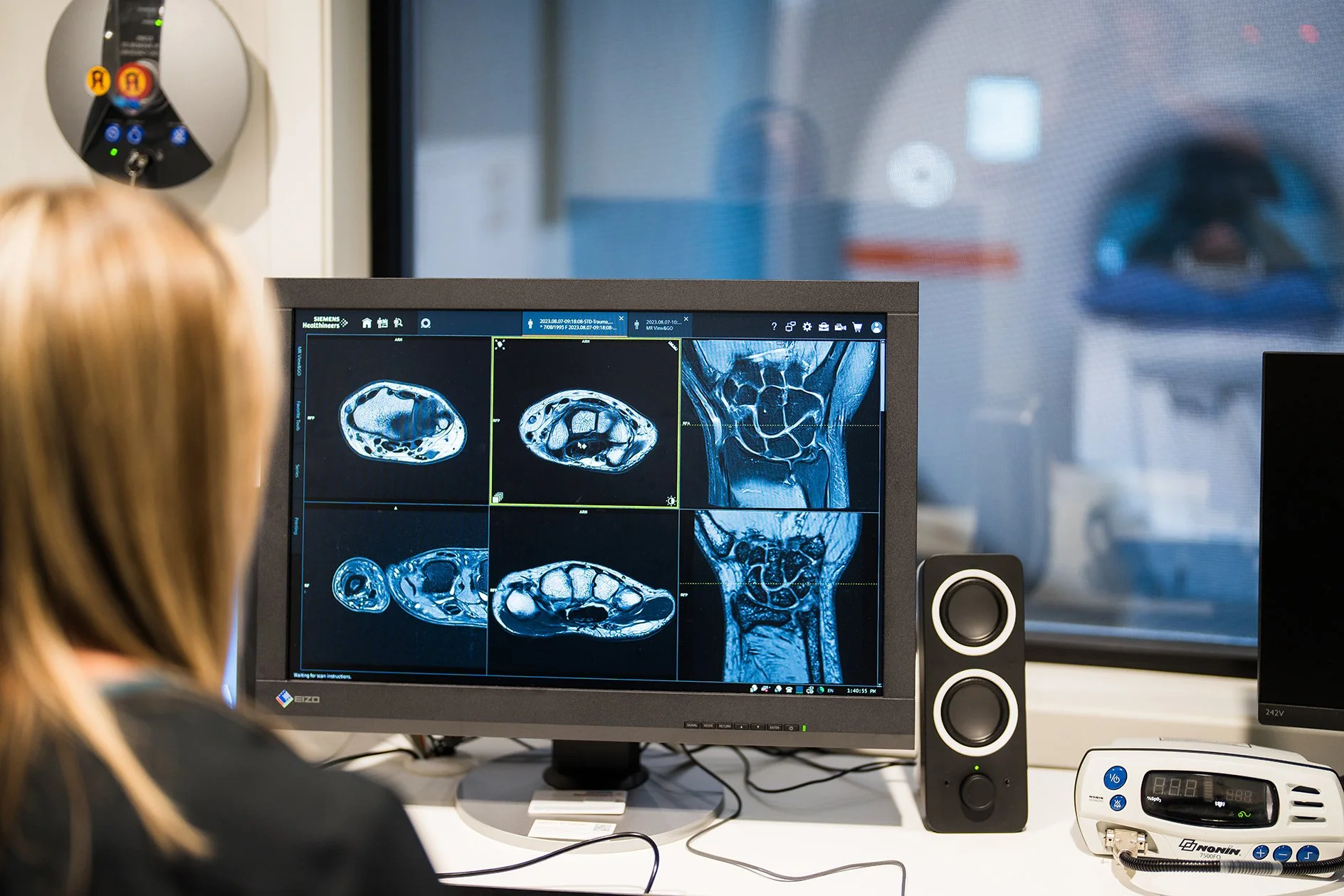
Reform Radiology have radiologists that are experts in this field. Expertise includes musculoskeletal ultrasound, musculoskeletal MRI and pain management interventional techniques. Reform Radiology combines state of the art technology and experience to deliver images and protocols giving each patient and their referrer the best possible imaging and diagnosis in this specialised field.

Book your appointment today
-
Wear comfortable clothing to your exam. You may be asked to change into a gown for the procedure.
Metal objects such as jewellery, eyeglasses, dentures or hairpins, piercings, as well metal underwires of bras or hearing aids can cause artifact on x-ray images. You may be asked by our friendly x-ray staff to remove metallic objects.
Please continue taking your medication unless instructed otherwise.
Pregnancy and breastfeeding: If you are pregnant or breastfeeding, it is important to inform our team, as special precautions may be necessary to minimise radiation exposure to the foetus or infant. Alternatively, we may delay examinations in consultation with your healthcare provider.
-
The technologist will position you on exam table or standing against the upright detector. They may use sponges or pillows to help you maintain the correct position and remain still during the exam.
Radiation exposure
X-rays involve exposure to ionising radiation, which carries a small risk of potential harm. However, the benefits of an x-ray often outweigh the potential risks, especially when it helps in diagnosing or monitoring an injury or medical condition. The amount of radiation exposure during an x-ray is typically low and varies depending on the type of exam and body part being imaged.
-
Our team of Radiologists will look at your images in detail and produce a report that will be sent out to your healthcare provider as soon as possible.